
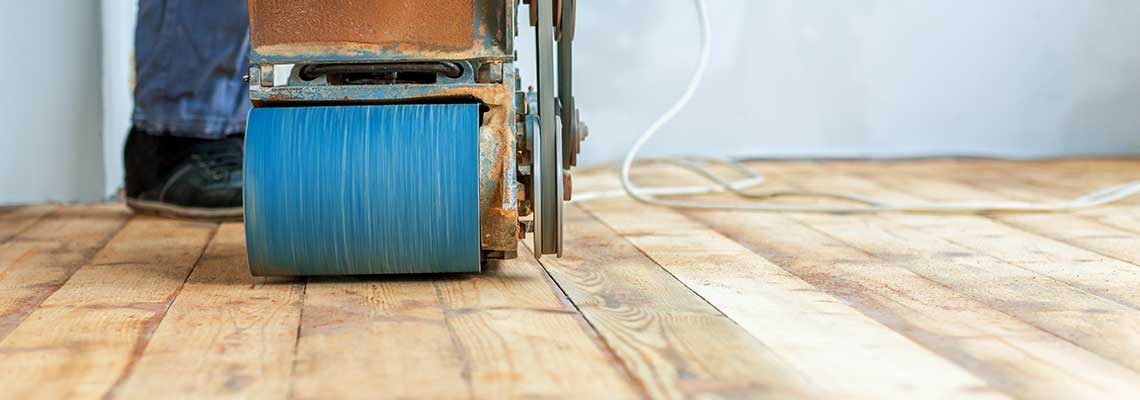
If your wooden floors look tired, scratched, or uneven, you’re probably asking the same question many London homeowners do: Is floor sanding worth it, or is it better to replace the floor entirely? The answer isn’t always obvious — and choosing the wrong option can cost far more than expected. In this guide, we’ll break down when floor sanding makes sense, when replacement is the smarter choice, and how professionals decide between the two.
Why This Decision Is So Common in London Homes
Many London properties — especially Victorian and Edwardian homes — still have original timber floors. Over time, these floors develop:
- deep scratches and wear
- dark staining from spills or pets
- gaps between boards
- uneven or creaking sections
At this point, homeowners often assume replacement is the only solution. In reality, many floors that look “beyond saving” can still be professionally sanded and restored — but not all.
When Floor Sanding Is Worth It
Floor sanding is usually the better option when the structure of the floor is still sound.
Floor sanding is worth it if:
- The boards are solid wood, parquet, or thick engineered wood
- There is enough wear layer left to sand safely
- Damage is mostly surface-level (scratches, dullness, light staining)
- The subfloor is stable and not excessively uneven
- You want to retain original features of the property
Professional sanding removes the damaged surface layer and reveals fresh timber underneath. With the right finish, floors often look almost new, even after decades of use.
In many London homes, sanding also:
- improves appearance without altering floor height
- avoids skirting board removal
- costs significantly less than replacement
- preserves period character
This is why professional floor sanding is often recommended as the first option before considering replacement.
When Floor Replacement Makes More Sense
Sanding is not always the right solution — and a reputable professional will tell you when replacement is the better choice.
Replacement may be necessary if:
- Floorboards are too thin to sand safely
- Boards are severely water-damaged or rotten
- Large sections are warped or structurally unstable
- The floor has already been sanded too many times
- The existing floor is laminate or LVT (these cannot be sanded)
In these cases, sanding may only provide a short-term cosmetic fix or may not be possible at all. Replacing the floor avoids repeated repairs and delivers a more predictable long-term result.
Cost Comparison: Sanding vs Replacement
One of the biggest deciding factors is cost — and this is where sanding often wins.
Typical London cost comparison:
- Floor sanding: lower upfront cost, quicker completion, minimal disruption
- Floor replacement: higher material and labour costs, longer installation time, additional work (subfloor prep, disposal, fitting)
Replacement costs increase further if:
- the subfloor needs levelling
- doors and skirting boards need adjustment
- multiple rooms are involved
This is why many homeowners choose sanding first, and only move to replacement if sanding isn’t viable.
A Common Mistake Homeowners Make
A common mistake is making decisions solely based on appearance.
Floors that look:
- dark
- scratched
- uneven in colour
often look far worse than they actually are.
Once sanded professionally, many of these floors reveal high-quality timber underneath.
On the other hand, some floors that look acceptable on the surface may be structurally compromised and unsuitable for sanding.
This is why a professional assessment is critical before making the decision.
How Professionals Decide Between Sanding and Replacement
Experienced floor specialists don’t guess — they check:
- board thickness and wear layer
- previous sanding depth
- moisture levels
- subfloor condition
- type of flooring (solid, engineered, parquet, laminate)
Based on this, they can advise whether floor sanding is a long-term solution or whether replacement will save money and stress in the long run.
If you’re unsure, starting with a professional floor sanding assessment is usually the safest step before committing to replacement.
Does Floor Sanding Add Value to a Property?
In many London homes, yes.
Well-restored wooden floors:
- improve visual appeal
- suit period and modern interiors
- are attractive to buyers and tenants
- often outperform carpet or cheap laminate in perceived value
Replacement can also add value, but only when sanding isn’t viable. Replacing a salvageable original floor can sometimes reduce character, especially in older properties.
Floor Sanding or Replacement: A Simple Rule
As a general rule:
- Sand if you can
- Replace only if you must
A professional inspection will usually reveal which option gives the best balance of cost, durability, and appearance.
FAQs
Is floor sanding always cheaper than replacement?
In most cases, yes. Sanding avoids material costs and extensive fitting work, making it more affordable for sound wooden floors.
Can engineered wood floors be sanded instead of replaced?
Some engineered floors can be sanded, depending on the thickness of the top wood layer. Thin engineered boards usually need replacing.
Will sanding fix uneven or creaky floors?
Sanding improves the surface but does not fix structural issues. Subfloor problems may require additional repair work.
How do I know if my floor is too thin to sand?
A professional inspection is the only reliable way to check remaining board thickness safely.
Final Thought
If you’re deciding between floor sanding and replacement, the worst move is guessing. Many London homeowners replace floors unnecessarily — while others attempt sanding when replacement is the only safe option. A proper assessment can prevent both mistakes and help you choose the solution that truly makes sense for your home.