
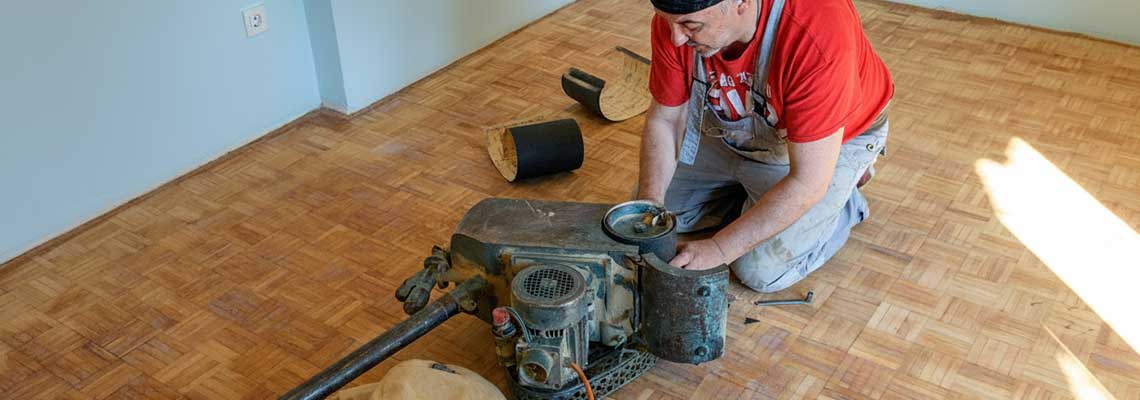
Parquet flooring represents one of the most elegant and durable flooring options available to homeowners. However, years of foot traffic, environmental exposure, and daily wear can leave even the finest parquet looking tired and dull. Parquet floor sanding specialists recognise that professional restoration can transform worn surfaces into showroom-quality finishes without the expense of complete replacement. Sanding removes the top layer of your parquet, eliminating scratches, stains, and surface imperfections whilst revealing the beautiful wood grain beneath. This process prepares the floor for sealing, staining, or finishing treatments that protect against future damage and enhance aesthetic appeal.
The Restoration Process Explained
Initial Assessment and Preparation
Professional parquet restoration begins with a thorough examination of your flooring. Specialists assess the depth of damage, identify wood species, check for moisture issues, and evaluate structural integrity. This assessment determines whether your parquet is suitable for sanding or requires additional repairs before the process begins. Preparation involves clearing the room completely, protecting surrounding areas, and ensuring proper ventilation. Modern dust extraction systems contain fine particles that would otherwise settle throughout your home.
Multi-Stage Sanding Process
Parquet floor sanding professionals typically employ a multi-grit approach:
- Coarse grit sanding (36-40 grit) removes old finishes, stains, and surface irregularities
- Medium grit sanding (60-80 grit) smooths the wood and removes scratches from coarse sanding
- Fine grit sanding (120-150 grit) creates a smooth surface ready for sealing
- Extra-fine finishing (180+ grit) achieves the ultimate smooth, professional result
Each stage requires specialist equipment operated by trained technicians who understand wood movement, grain direction, and pressure application. Improper technique can result in uneven surfaces, burns, or gouging.
Repair and Remedial Work
- During sanding, specialists often discover areas requiring attention:
- Replacing damaged blocks or strips
- Filling gaps with colour-matched wood filler or epoxy resin
- Repairing cupping or warping caused by moisture exposure
- Addressing loose pieces using specialist adhesives
- Treating wood-boring insect damage if present
Finishing and Sealing
After sanding, your parquet requires protective finishing. Specialists offer several options, each with distinct advantages:
- Water-Based Polyurethane dries quickly, emits minimal odour, and maintains natural wood colour. It suits families with young children or pets.
- Oil-Based Polyurethane enhances wood character with warmer tones and offers superior durability, though application takes longer and produces stronger odours during curing.
- Wax Finishes provide traditional aesthetics and exceptional depth but require more maintenance and reapplication every 12-18 months.
- Hard-Wax Oil combines durability with authentic wood feel, creating a hybrid finish increasingly popular in modern restoration projects.
Timeline and Costs Involved
A typical parquet floor sanding project spans 3-5 days, depending on room size and floor condition. Smaller rooms (up to 20m²) might take 2-3 days, whilst larger spaces require proportionally longer. Drying time between coats adds an additional 1-2 days before full use is possible.
Costs vary significantly based on location, floor condition, and finishing choice. Most specialists charge between £18-35 per square metre for sanding alone, with staining and sealing adding £8-20 per square metre. A typical living room (25m²) generally costs £800-1,500 for complete restoration.
Benefits of Professional Restoration
Investing in professional parquet floor sanding services delivers numerous advantages over DIY approaches or replacement:
- Cost Efficiency makes restoration significantly cheaper than replacement flooring. Professional work extends parquet lifespan by 20-30 years with proper maintenance.
- Aesthetic Enhancement reveals original wood beauty obscured by years of use. Staining options allow colour adjustments to match evolving interior schemes.
- Health and Safety improves indoor air quality through proper dust extraction and ventilation management, eliminating exposure to sanding particles and chemical fumes.
- Property Value increases with newly restored parquet, as quality flooring significantly influences buyer perception and property valuation.
- Sustainability supports environmental responsibility by preserving existing materials rather than generating replacement waste.
Choosing the Right Specialist
Selecting experienced parquet floor sanding professionals ensures optimal results. Verify credentials through industry memberships (FMIF, British Wood Flooring Association), request references from recent projects, and obtain detailed quotations from multiple providers.
Quality specialists provide realistic timelines, explain each stage clearly, offer material samples for finishing choices, and carry comprehensive insurance protecting your property throughout the project.
Aftercare and Maintenance
Post-restoration maintenance significantly extends your investment's lifespan. Avoid excessive moisture by wiping spills immediately and maintaining humidity between 35-55%. Use felt-bottomed furniture pads to prevent scratching, and implement a regular cleaning routine using specialist parquet products. Professional restoration followed by proper care ensures your parquet flooring remains beautiful and durable for decades, making it an excellent long-term flooring investment for homes.