
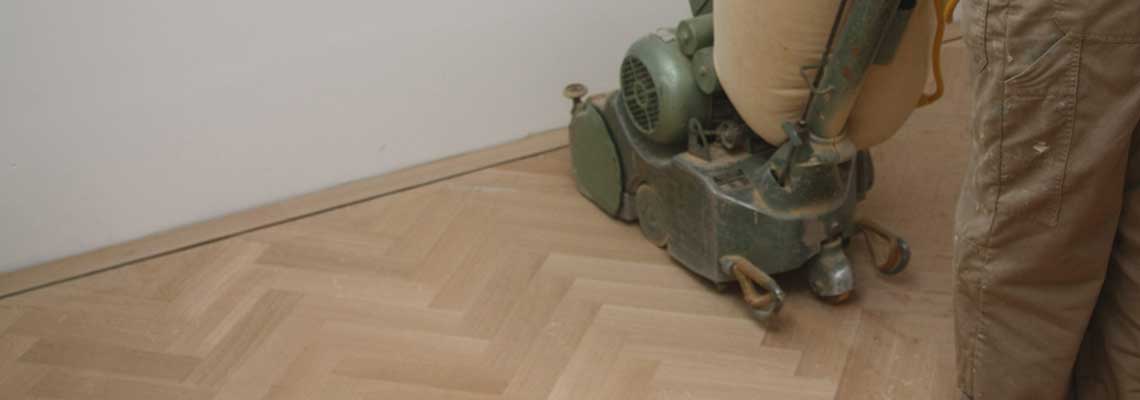
Wood floor sanding is an essential maintenance process that breathes new life into tired, worn hardwood floors. Whether your floorboards show scratches, stains, or dull patches, professional sanding removes the top damaged layer to reveal fresh wood underneath. This comprehensive guide explains everything you need to know about the process, timeline, and investment required.
Why Sand Your Wood Floors?
Over time, wooden floors accumulate wear marks, dust ingress, and surface damage. Sanding addresses these issues by stripping away the compromised top layer. The benefits include improved appearance, enhanced durability, and the opportunity to apply fresh finishes. Many homeowners find that sanding costs significantly less than replacing entire floors.
The Wood Floor Sanding Process
Pre-Sanding Preparation
Before work begins, professionals assess your floor's condition and identify problem areas. This stage involves removing furniture, closing doors to contain dust, and discussing your preferred finish. Specialist teams may apply crack filler to gaps and repair any damaged boards. Properly sealed preparation prevents dust spreading throughout your home.
The Sanding Stages
Professional wood floor sanding UK typically involves multiple passes using increasingly fine-grit sandpaper:
- Coarse grit (24-36): Removes old finishes, stains, and surface damage; creates significant dust but essential for heavily worn floors
- Medium grit (60-80): Smooths the surface and removes scratches from the coarse pass; reduces dust and refines the floor appearance
- Fine grit (100-150): Creates the final smooth finish ready for sealing; produces minimal dust and ensures professional results
Specialists use drum sanders for large flat areas and edge sanders for perimeter sections. The overlapping pattern prevents visible lines and ensures consistent results. Between stages, thorough vacuuming removes all dust particles, which improves finish adhesion.
Staining and Finishing
After sanding completes, you can choose stains to enhance wood grain or maintain natural colour. Water-based, oil-based, and gel stains offer different aesthetics and drying times. Once stain dries, professionals apply protective finishes such as polyurethane, lacquer, or wax. Multiple coats create durability whilst enhancing the floor's visual appeal.
Timeline: How Long Does Wood Floor Sanding Take?
Single-Room Projects
Sanding a bedroom or lounge typically requires three to four working days. This includes preparation, three sanding passes, staining if required, and finish application. Smaller rooms around 20 square metres may complete in two days, whilst spaces over 30 square metres might extend to five days.
Whole-House Projects
Larger properties need seven to fourteen days depending on room count, floor condition, and finish selection. Complex layouts with numerous corners and built-in furniture extend timelines. Most contractors complete work room-by-room, allowing you to occupy unfinished areas immediately.
Drying Times
Water-based finishes typically dry within 24-48 hours, whilst oil-based products require three to seven days. Heavy foot traffic should be avoided for at least two weeks after completion. Professionals advise maintaining stable humidity levels during drying to prevent warping or finish imperfections.
Wood Floor Sanding UK Costs
Price Factors
Several variables influence wood floor sanding UK costs:
- Floor size and condition: Heavily damaged floors requiring multiple passes cost more; larger areas spread labour costs across greater square footage
- Wood type: Hardwoods like oak and walnut sand differently than softer woods; some species require specialist techniques increasing costs
- Finish specification: Premium finishes, stains, and multiple protective coats increase expenses; natural finishes cost less than bespoke colour options
- Location: London and Southeast England typically cost more than Midlands and Northern regions; rural areas may include travel charges
- Repairs needed: Replacing damaged boards, filling large gaps, or addressing structural issues adds to overall expenses
Average UK Pricing
Standard sanding without staining ranges from £8-15 per square metre across most UK regions. Complete projects including professional staining and finishing cost £15-25 per square metre. A typical 40 square metre lounge might cost £400-600 for basic sanding, rising to £800-1,200 with premium finishes. London properties often see costs 20-30% higher due to increased demand and travel expenses.
Getting Accurate Quotes
Reputable contractors provide site visits before quoting. They assess floor condition, measure square footage, and discuss your finish requirements. Transparent quotes itemise labour, materials, and any additional charges. Always request references from previous customers and confirm insurance coverage before commissioning work.
What to Expect During Sanding
Dust Management
Despite professional dust containment, fine particles inevitably spread. Modern equipment includes powerful extraction systems that capture 95% of dust, but residue may settle on nearby surfaces. Contractors typically seal doorways, turn off HVAC systems, and provide plastic sheeting to protect belongings. Plan to deep clean your home post-completion.
Noise Levels
Sanding equipment operates at 80-90 decibels, comparable to busy traffic. Work typically occurs between 8am-5pm on weekdays. Inform neighbours of upcoming work, and discuss timing if you have young children or working from home. Edge sanders produce higher-pitched noise than drum sanders.
Access Requirements
Ensure contractors have clear pathways to all rooms. Remove rugs, loose items, and breakable objects. If you have fitted furniture or obstacles, discuss removal options before booking. Tight staircases or narrow corridors may complicate access for larger equipment.
Maintenance After Sanding
Protection Tips
New finishes require seven to fourteen days full curing before normal use. Avoid water exposure, excessive traffic, and dragging furniture. Use felt pads under chair and table legs to prevent scratching. Place mats at entrances to minimise dirt transfer from outside.
Long-Term Care
Vacuum weekly and wipe spills immediately to prevent water damage. Use pH-neutral wood cleaners rather than harsh chemicals. Maintain consistent humidity levels between 35-50% to prevent warping. Most professionally finished floors require re-sanding every 7-10 years depending on wear patterns.
Common Questions About Wood Floor Sanding
Can All Wood Floors Be Sanded?
Most solid wood floors can be sanded multiple times throughout their lifespan. Engineered wood with veneer tops may only tolerate one or two sandings before reaching the plywood base. Parquet, cork, and bamboo require specialist approaches. Always confirm your floor type before commissioning work.
Should I Sand Myself?
DIY sanding is possible but demanding. Rental equipment costs £80-150 daily, and mistakes create visible patterns or uneven surfaces. Professional results require experience with grain direction, consistent pressure, and proper technique. Most homeowners find professional sanding worthwhile given the expertise required and finish quality delivered.
Wood floor sanding UK transforms worn hardwood into showroom-quality surfaces. Understanding the process, realistic timelines, and costs helps you make informed decisions. Professional contractors deliver superior results whilst minimising disruption, making sanding a worthwhile investment in your home's long-term value and appearance.